
 Français
The Irish Flute
A Complete Introduction


Introduction to the Irish Flute
Origins and History of the Irish Flute
Originating in the 19th century, the Irish flute was adapted from the then-common wooden classical flutes, which featured six fingerholes and several keys. Mass production later facilitated its spread by making it more accessible and affordable. During this period, flutes were predominantly of two types: the widely produced and varied-quality “German flutes,” and the superior English flutes made by firms like Boosey and Hawkes, or Rudall and Rose. Irish musicians primarily adopted the English models, known for their large bore and full sound. Many of these historical flutes remain in use and are highly sought after tody.
Modern Flutes
Modern flutes, while drawing inspiration from antiques like the Rudall or Boosey “Pratten” models, have undergone significant evolution while keeping the same basic design. While antique flutes are prized, they are rare and often require adjustments to align with modern concert pitch standards (A=440Hz). Contemporary flute makers create instruments based on these historical designs, but adapted for playing Irish traditional music.

Related resource
Irish Flute Tape
A compilation of Irish flute players known as the “Irish Flute geezers” tape
Learn moreDesign and Models of Irish Flute
Materials Used in Traditional and Modern Irish Flutes
The traditional Irish flute is usually made from wood, with woods such as African blackwood, rosewood, and boxwood commonly used. A relatively recent development is the use of synthetic materials such as polymer or Delrin in place of wood. These newer materials make the flutes more durable and less susceptible to changes in temperature and humidity.


Differences from Classical Flutes
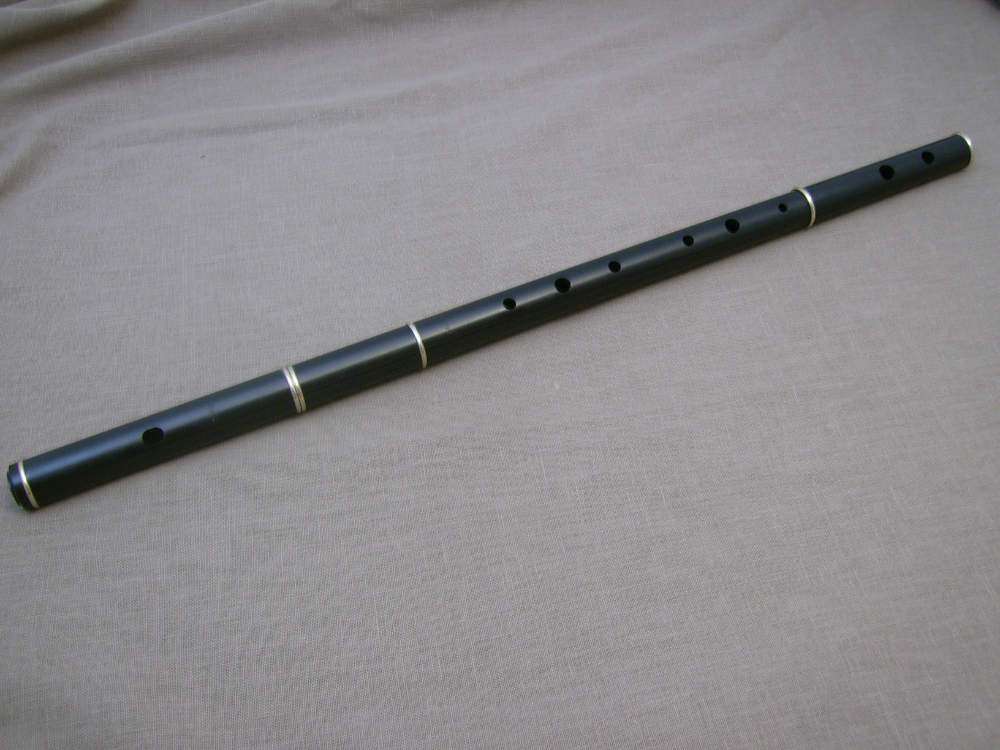
the Irish flute differs from the “classical” or Bohm flute both in design but also in the style of tone that is sought. The most obvious design differnece is the wooden body & the absence of keys in traditional Irish flutes, which typically have six holes for fingering. AIn Irish flutes the body is tapered while in the classical flutes the body is straight and the head tapered (a taper being necessary to correct tuning across the range of the flute)
Another distinction is in the size and shape of the embouchure hole, where the player blows into the instrument. The embouchure hole on an Irish flute is typically smaller and oval-shaped, and in general is played with more embouchure coverage than is common in the Classical style.

Parts of the Irish Flute:
- Headjoint: This is the top part of the flute where the player blows into to produce sound. The headjoint contains the embouchure hole, which is the small opening over which the player blows. Headjoints can be lined with a metal tube, or unlined.
- Tuning Slide: allows the player to slightly adjust the pitch by extending or shortening the length of the flute. The tuning slide is typically incorporated into the headjoint
- Body: The body is the central part of the flute, with the finger holes. The body is sometimes divided into two sections, known as the upper and lower body or the middle joint and foot joint.
- Finger Holes: These are the holes placed along the body of the flute. On a typical Irish flute, there are six finger holes.
- Footjoint: In some models, particularly those based on 19th-century designs, there is a separate footjoint which forms the lower part of the flute. The footjoint may have additional keys for C, C€ and Eb, although keyless designs are common in traditional Irish flutes. Keyless flutes can also have a footjoint with two holes, although these holes can not be used without keys. Some say the presence of a footjoint affects the tone of the lower notes, while others say it has no effect.
- Keys: While many traditional Irish flutes are keyless, some models will have keys, with 6 keys being common. A fully keyed flute will have 8 keys. Keys can be post-mounted, on metal fittings, or block mounted, on wooden blocks incorporated into the flute body.
- Cork or Stopper: Located at the upper end of the headjoint, the cork or stopper helps to seal the end of the flute and can be adjusted to fine-tune the instrument.

Different Keys and Sizes


Keyless vs keyed flutes

Irish Flute Tunes to Learn
The Ladies’ Pantalettes (Reel) – Irish Flute Tune
Reel played on Irish flute, a version I got from the book “The Dance Music [...]
Feb

Killanan’s Fancy (reel) sheet music
Sheet music & recording of Killanan’s Fancy, reel learned from the music of Irish flute [...]
Feb

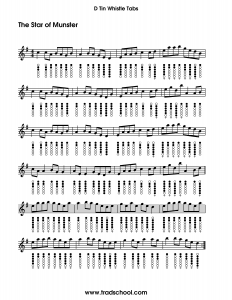
The Star of Munster (Mike Rafferty’s setting)
This is Mike Rafferty’s setting of this popular reel.
Nov
Playing the Irish Flute
The Basics
Grip
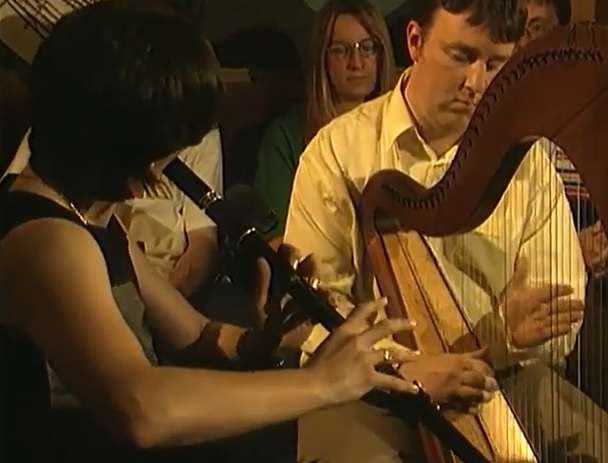
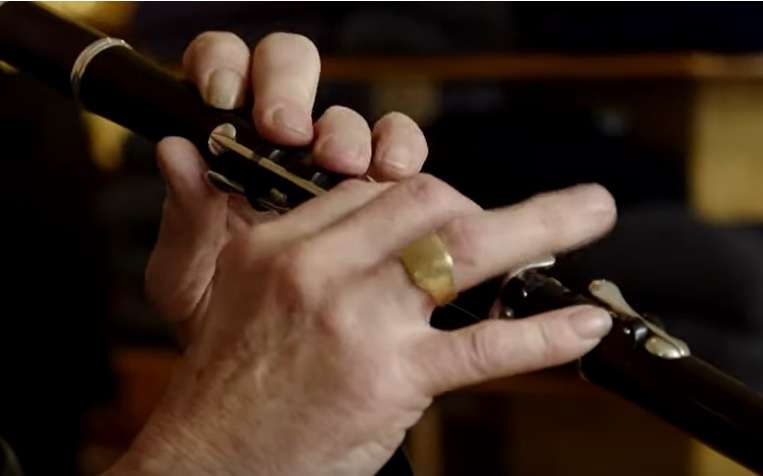
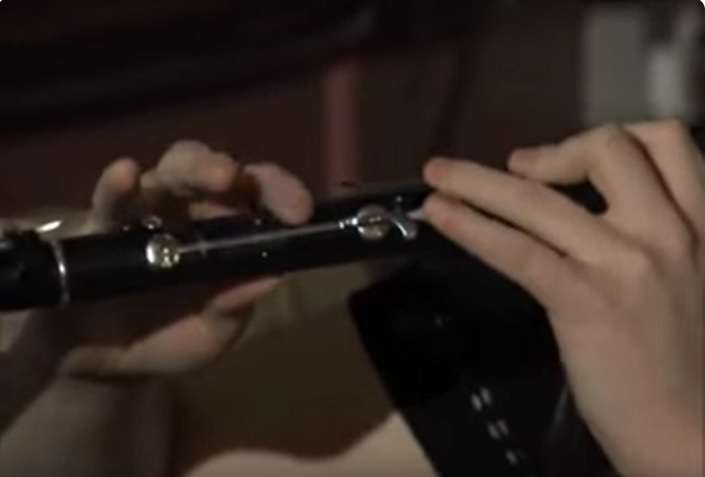
- Hold and Balance: The Irish flute is typically held horizontally to the right side. The left hand is closer to the mouth, covering the top three holes, while the right hand covers the bottom three. The balance of the flute is maintained between the chin, the first finger of the left hand, and the thumb of the right hand.
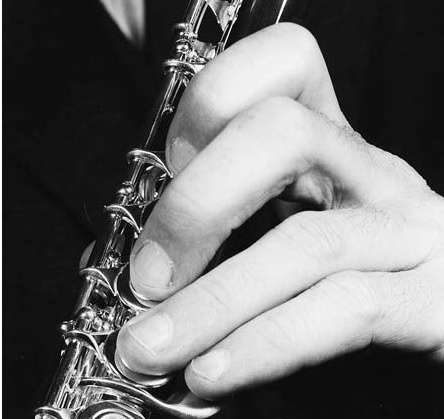
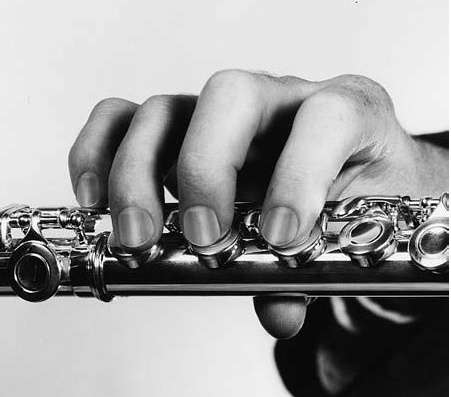
- “Classical” vs “piper’s” grip: Most players use some variant of either the classical or pipers grip. The classical grip is more stable and is to be recommended, even if it presents more of a challenge at the beginning. The piper’s grip, with flat fingers, is easier at first but inherently less stable and may cause difficulties in reaching certain keys on a keyed flute. A classical grip is to be recommended, at least for the left (or upper) hand; a flat or pipers grip on the right hand is less problematic.
- Finger Positioning: Fingers should cover the holes completely to produce clear notes, with the pads of the fingers used rather than the tips.
Fingering and Note Production
Like the tin whistle, fingering on the keyless Irish flute is straightforward. The first three fingers of each hand are used. The standard Irish flute in D plays in the scale of D without cross fingering. The useful range of the Irish flute is 2 octaves, although depending on the model the range may be larger:

The Irish flute can also play easily in the key of G, using a cross-fingered C natural :

Keyed Irish Flute Fingering
Below is a fingering chart for the 8-keyed Rudall & Rose flute from a 19th century book by Rockstro; the same fingering can be applied to the keyed Irish flute (click on image to enlarge, right-click to save)

Irish Flute Embouchure
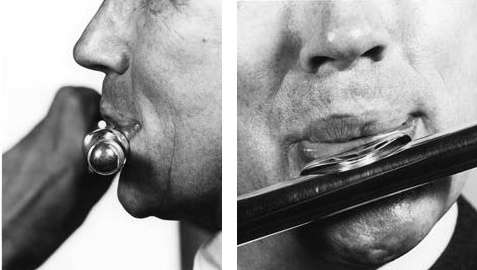
Flute embouchure is the way in which a musician applies their mouth to the mouthpiece of the instrument. Here are some steps and tips to help develop a proper flute embouchure:
- Embouchure Basics: to make a sound on the flute you blow across (rather than into) the hole of the flute’s headjoint; similar to blowing across the top of a bottle. Your lips should be relaxed but firm, with the corners of your mouth slightly drawn in.
- Headjoint Practice: Begin with just the headjoint of the flute. Cover the end with your palm and practice making a sound. This helps you focus on embouchure without worrying about fingerings. Work on controlling your breath. The air stream should be directed across the hole, not into it. Think of directing your air slightly downward into the hole. Experiment turning and moving the headjoit until you find a strong “reedy” tone that resonates.
- Long Tones: Once you’re comfortable, practice long tones with the entire flute. This helps in developing a steady, controlled sound. Slightly vary the shape of your embouchure and the direction of your air stream to see how it affects the sound. This helps you understand what works best for you.
- Consistent Practice: Like any skill, developing a good embouchure requires regular practice. Dedicate time each day to practice these techniques.
Breath Control
With embouchure, breath control is one of the pillars or flute playing. Here are some basic pointers:
- Steady Airflow: Consistent and controlled breathing is vital for maintaining the tone and volume throughout a tune or set of tunes.
- Mechanics: Pay attention to diaphragmatic breathing, where you breathe deeply into your lungs, allowing your diaphragm to move downwards and your abdomen to expand. This technique provides better control and supports sustained notes.
- Breathing Exercises: Even without the flute, practice breathing exercises. One simple exercise is to inhale deeply for four counts, hold for four counts, and exhale for four counts. Gradually increase the counts as you get comfortable.
- Long Tones Practice: Like with embouchure practice mentioned above,ong tones are fundamental in developing breath control. Play a single note on your flute, trying to sustain it as long and as steadily as possible. Start with shorter durations and gradually increase as your control improves.
- Dynamics: Practice playing notes at different volumes (dynamics) while maintaining breath control; for example practice playing notes in the lower register louder, while playing notes in the higher register quieter.
- Endurance Building: Regular practice is key to building endurance. The more you play, the better your lung capacity and breath control will become. Engaging in aerobic exercises can enhance your lung capacity, and will definitely benefit your flute playing.
- Phrasing and Breath Points: Learning where to take breaths without interrupting the musical phrasing; on long notes for example, or removing notes that are “less important” in the tune; see the example of Coleman’s Jig below:

Articulation & Ornamentation
In contrast to the classical flute and to the tin whistle, tongue articulation is used to a lesser extent in Irish flute playing. Rather, a diaphragmatic”pulse” is used to drive the rhythm, often in combination with glottal stops. The extent of glottal stop use is usually a personal choice. Some players will also use tongue articulation.
Ornamentation is also used to drive the rhythm and enhance the melody. The basic ornaments are cuts and taps:
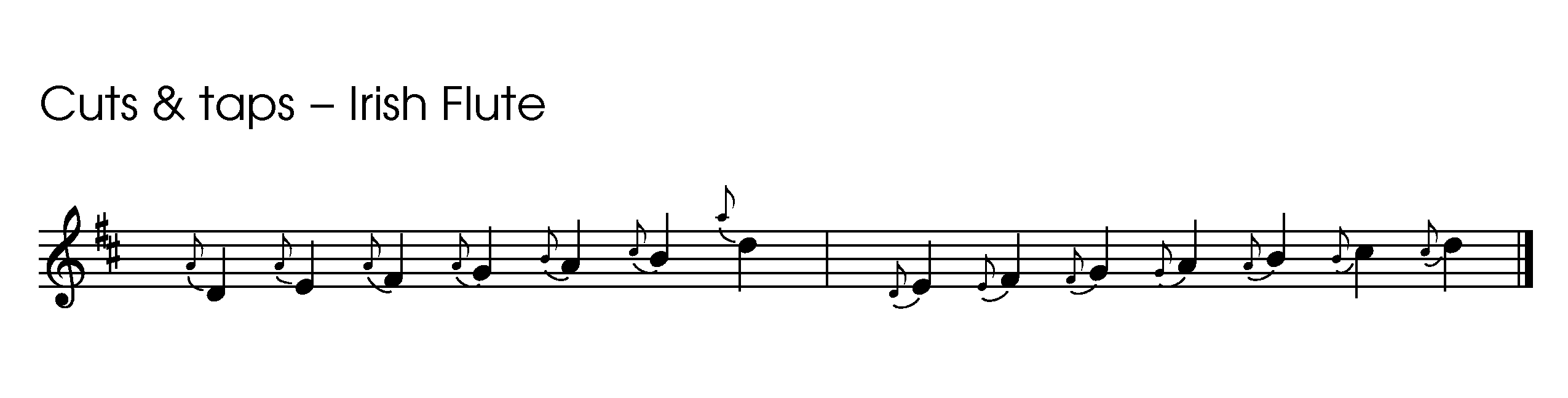
Rolls are also used on longer notes; a roll is a combination of a cut followed by a tap:

For more information about ornamentation, see the article Ornamentation in Irish Traditional Music

Related resource
Ornamentation in irish Traditional Music
An essential guide the the principal ornaments – cuts, taps, rolls, crans, slides – and their use in irish Music
Learn moreIrish Flute Styles: “Flowing” vs “Rhythmic”
There are two major style tendencies in Irish flute playing, what I propose to call “flowing” and “rhythmic” styles, with the caveat that rather than being a distinct separation between the two that there is a “continuum” of playing styles between distinctly flowing and distinctly rhythmic. here are the characteristics of the two styles:
The “flowing” style
Is characterised by fast and fluid playing with much use of ornamentation. Matt Molloy plays in such a flowing style, as does Kevin Crawford or Michael McGoldrick. Within the flow is a strong rhythmic pulse, and much use of ornamentation.
The “rhythmic” style
is characterised by a strong rhythm propelled by the diaphragm and glottal stops. Ornamentation is used to a lesser extent The sound can be perceived as less “spectacular” than the flowing style. Flute players like John McKenna or John Joe Gardiner play in a rhythmic style, as do Fintan Vallely & Hammy Hamilton below:
Regional Styles of Irish Flute Playing
One of the imponderables in the history of the flute in Ireland is its strong association with certain parts of the country.
– Fintan Vallely, the Companion to Irish Music
While the flute is played throughout Ireland, there are several regions where there is a strong and influential traditional of flute playing, with a heartland in the Sligo/Leitrim/North Roscommon area. Here are the main regional styles:
Sligo Style/Roscommon style:
This style evolved from the influence of emigrant fiddlers such as Michael Coleman in the 1920s, whose music was sent back to Ireland on records.
It’s known for its heavy use of rolls, fast pace, long phrases, and melodic variation. Much use is made of triplets or groups of triplets (for example a group of descending triplets in a reel: gfe fed)
This style has somewhat become the “default” style of flute playing. Matt Molloy is perhaps the most influential player, with his fast, fluid and highly ornamented style using pipe ornaments such as crans and other influences such as “blue notes”. Séamus Tansey’s playing is notably florid and dramatic. Other players include John Joe Gardiner, Peter Horan, June McCormack, Peg McGrath & Patsy Hanly.
Some make a distinction between the Sligo & Roscommon styles, with the Sligo being more fluid and the Roscommon more rhythmic.
Leitrim Style
Associated with John McKenna from Arigna, near Drumshanbo who was influential locally and through his recordings. It is less elaborate than the Sligo style, focusing on shorter melodic phrasing and with less use of rolls and ornamentation. It is highly rhythmic and without much use of articulation via the diaphragm, glottal stops and tonguing.
McKenna’s style influenced many north Leitrim flute players like Packie Duignan and Mick Woods, and is associated with other local players such as John Blessing
Belfast/Northern Style
The flute style in Belfast and Northern Ireland tends to be strong and direct, rhythmic and with a strong hard tone. The playing is clear and robust, often with a brisk pace.
Compared to Sligo/Roscommon, this style typically features less ornamentation. Rhythm is driven by the diaphragm and glottal stops.
Notable players include Harry Bradley, Hammy Hamilton & Michael Clarkson.
East Galway Style
The East Galway style is known for its lyrical and melodic playing. It tends to be more relaxed, with a focus on the expressiveness of the melody. Tempos are slower and ornamentation is used more sparingly. Phrasing is smooth and flowing and the style can be described as “unhurried”.
Notable players are Mike Rafferty, Paddy Carty and Vincent Broderick
Irish Flute Players
Here are some Irish flute players in a variety of styles that I’d recommend checking out; far from being a definitive list, this is just a starting point:
- Matt Molloy: A legendary figure in Irish music, Matt Molloy is known for his fast, flowing style.
- Mike Rafferty: lovely unhurried East Galway style, Mike Rafferty is a flute player from Ballinakill who emigrated to New York
- Catherine McEvoy: Hailing from a musical family, McEvoy is recognized for her pure, traditional style.
- June McCormack: flute player from Sligo with a lovely steady & flowing style; author of 2 books of flute tunes.
- Kevin Crawford: A member of Lúnasa, Kevin Crawford plays in a flowing style with intricate ornamentation and innovative approach.
- Harry Bradley: An award-winning player, Harry Bradley‘s playing is notable for its raw, energetic style and deep-rooted connection to the traditional music of Ulster.
- Orlaith McAuliffe: young Irish player from London, named Gradam Ceoil TG4 Young Traditional Musician of the Year in 2016.
- Conal Ó Gráda: powerful rhythmic style. Author of a flute tutor book.
- Michael McGoldrick: irish flute player from Manchester, Michael McGoldrick‘s innovative style blends traditional Irish music with a range of global influences.
- Paddy Carty: East Galway player, Paddy Carty has a unique flowing style
- Josie McDermott: influential Sligo flute player, Josie McDermott also composed a number of tunes.
- Seamus Tansey: legendary Sligo player, highly ornamented style
- Tara Diamond: Northern flute player with a lovely smooth tone
- Peter Horan: influential Sligo player, Peter Horan has a unique style
- Patsy Hanly: Another influential player, from Co. Roscommon, Patsy Hanly plays in the strong rhythmic style of his home county.

irish Flute Players

Josie McDermott – Irish Flute Player
Josie McDermott was an Irish flute player from lived in Coolmeen, Sligo, near the border [...]
Dec

Patsy Hanly – Irish Flute Player
Patsy Hanly is an Irish flute player from Kilrooskey, County Roscommon. He is an influential [...]
Nov

Mike Rafferty (flute)
Mike Rafferty was an Irish flute player from Ballinakill in Co. Galway, who emigrated to [...]
Nov
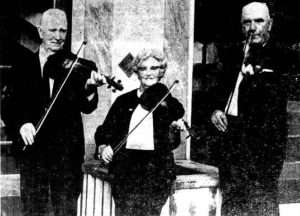
John Joe Gardiner – Irish Flute & Fiddle Player
John Joe Gardiner (1892–1979) was an influential Irish flute & fiddle player from Corhubber, Ballymote [...]
Dec

Kevin Crawford – Irish flute player
Kevin Crawford is an Irish flute & whistle player. Born in Birmingham to Irish parents [...]
Dec
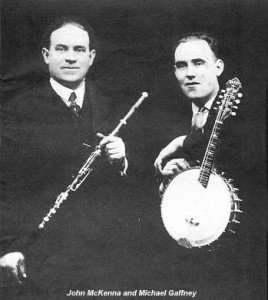
John McKenna – Irish flute player
John McKenna was an influential Irish flute player. Born in 1880 in Tarmon, Co Leitrim, [...]
Oct
Maintenance and Care of the Irish Flute
In general the flute is a “low-maintenance” instrument and with a minimum of common-sense care can give years of service without intervention. Here are some simple care tips; in the case of actual problems like cracks or malfunctioning keys, it’s always best to refer to your flute’s maker.
Wooden Flutes
- Regular Oiling: Wooden flutes need to be oiled periodically to prevent the wood from drying out and cracking. Natural oils like almond oil are commonly used.
- Humidity Control: Wood is sensitive to humidity changes. It’s important to store the flute in an environment with stable humidity to prevent warping or cracking. Using a humidifier in the flute case can help in extremely dry climates.
- Avoiding Rapid Temperature Changes: Sudden changes in temperature can damage the wood. It’s advisable to let the flute acclimate to room temperature before playing if it has been in a very cold or hot environment.
- Cleaning After Use: Swab the flute with a soft, dry cloth after each use to remove excess moisture.
- Joint Care: Cork joints should be kept clean and occasionally treated with cork grease to ensure a smooth assembly.
Polymer Flutes
- Regular Cleaning: a regular wipe out with a cloth is usually sufficient
- Disassembly for Storage: It’s good practice to disassemble the flute and store it in its case.
General Care Tips
- Proper Assembly and Disassembly: When assembling or disassembling the flute, avoid applying lateral pressure to the joints. Add cork grease to protect and lubricate joints.
- Regular Check-ups: Periodically check the flute for signs of wear or damage.
- Professional Maintenance: For complex issues like loose keys, damaged pads, or tuning problems, consult the maker of your flute or another professional
- Use of a Hard Case: Transporting and storing the flute in a hard case provides the best protection against physical damage and environmental changes.

Related resource
Learn the Tin Whistle in 2024
A comprehensive guide to free resources for learning the tin whistle for beginners and more advanced players
Learn moreReferences & Further Reading
Below is a list of selected materials for those interested in exploring further the Irish flute & flute playing.
Books
“The Irish Flute Players Handbook” by Hammy Hamilton – a detailed introduction to the flute
“Fliut 1 & 2” by June McCormack – repertoire of tunes with recordings
“An Fheadog Mhor” by Conal O’Grada – excellent tutor book with a unique analytic approach
Albums
“Matt Molloy” by Matt Molloy: his first album, a classic
“Draiocht” & “Land’s End” by June McCormack: flute & harp
“Speed 78” by Mike Rafferty – East Galway style playing
“Ceol Aduaidh” by Various Artists: compilation of mostly solo flute playing from the North
“The Flute Players of Roscommon” by Various Artists: excellent compilation of Roscommon flute players
“Fused” by Michael McGoldrick: excellent modern take on the tradition
“The Home Ruler” by Catherine McEvoy: lovely playing
“Traditional Music of Ireland” by Paddy Carty: great album from the East Galway players
Websites
The Wooden Flute (woodenflute.com): articles & information about the Irish flute
A Guide to the Irish Flute (irishfluteguide.info): introduction to the flute
Chiff&Fipple flute forum (forums.chiffandfipple.com): good source of archived information
Greetings,
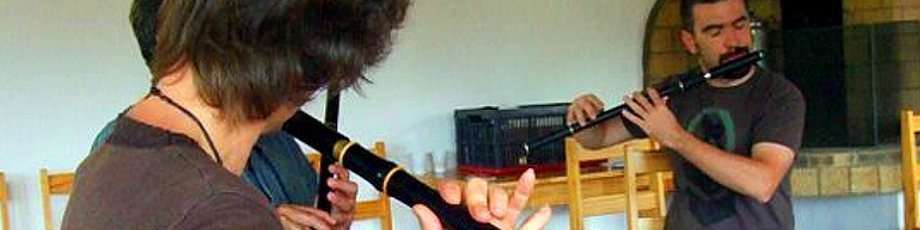
Can you tell me the manufacturer of the transverse flute in the picture? I believe I purchased this exact flute in Ireland in the early 2000’s and unfortunately it ended up with my ex-wife. I’d like to consider purchasing another.
Thanks,
Steve F.
Hi Steve, unless I’m mistaken it’s a flute made by Arie de Keyser
You have prepared a very valuable resource. I congratulate you for your contribution to music and culture.
Hello there, just became aware of your blog through Google,
and found that it’s really informative. I will appreciate if you continue this in future.
Cheers!