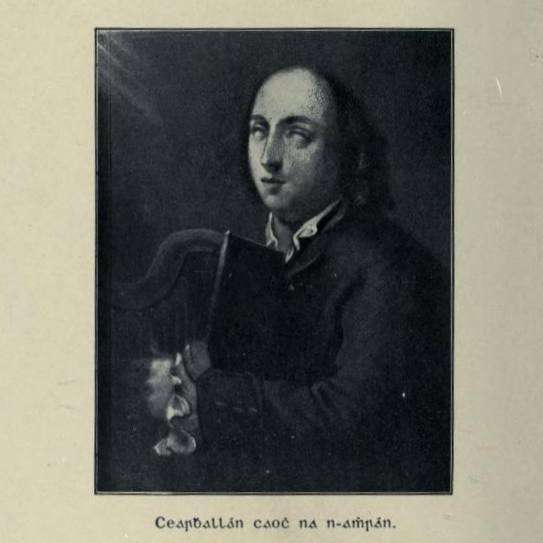
Turlough O’Carolan (1670–1738), often called Carolan, occupies a special place in Irish cultural history. A blind harper, composer, and singer, he is remembered as one of the last great figures of the old Gaelic harp tradition and, at the same time, as a composer whose music absorbed European influences of the Baroque era. His compositions, known as planxties, laments, and airs, survive as a body of work that continues to be played and adapted by traditional musicians and classical performers alike. Carolan was a musician who stood at the crossroads of two worlds: the fading bardic order rooted in Gaelic society, and the new cultural realities of the seventeenth and eighteenth centuries.
Category Archives: Irish Music
Choosing between a keyed or keyless flute is a decision faced by many flutists interested in playing Irish traditional music. While both styles have their proponents, the right choice often depends on your musical goals, repertoire, playing style, budget, and practical considerations such as availability and waiting lists.
Introduction
The term “regional style” in Irish traditional music refers to the distinctive ways tunes are played in different parts of the country – often based on the playing of one influential musician or group of players from a given area, whose approach came to be seen as representative. In many cases, what we call a regional style is best understood as a cluster of local and individual styles that happen to share certain musical features. The regional styles discussed in this article represent some of the major and most widely recognised traditions within Irish traditional music.
Irish traditional music is distinguished by a rich and complex stylistic heritage, shaped by centuries of transmission and performance. The defining features of the tradition lie as much in the manner of performance as in the melodies themselves.The concept of style in Irish music is complex, shaped by factors such as ornamentation, phrasing, articulation, variation, and regional influences. This article explores these elements, tracing their historical development and how they continue to define Irish traditional music today.
Introduction
On this site you can find a variety of resources to support learners at different skill levels, all available free of charge. Use the top menu to navigate the sections of the site: to learn about Irish Traditional Music or to develop your tune repertoire of the various tune types. Learn about the instruments of Irish music in general, or read on for tin whistle learning resources.
Introduction: Choosing a Tin Whistle
In this article you will find some practical advice about choosing and buying a tin whistle in 2024. The information presented here is meant to be objective and impartial, and I have no connection to any of the models or brands mentioned. The recommendations are my own based on the whistles I use myself and have played over the years.
Sharon Shannon is an Irish accordion player from Clare, known for her approach to Irish traditional music and her extensive collaborations.
Tony MacMahon was an Irish accordion player from Ennis in Co. Clare, and an influential figure in the world of traditional Irish music.
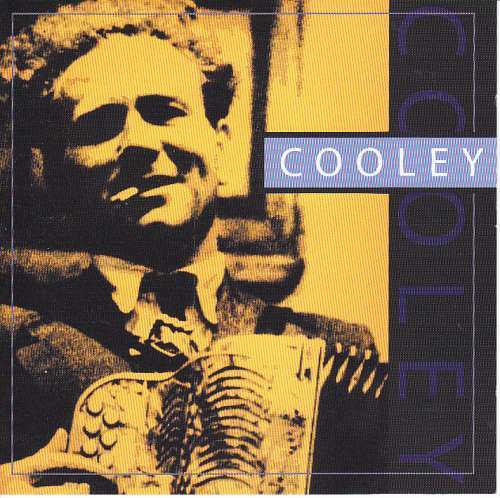
Irish accordion player Joe Cooley was born in 1924 in Peterswell, County Galway. A builder by trade, he was a charismatic figure in traditional music scenes in Clare, Britain, and the USA. Both his parents played the melodeon, and most of his older brothers were musicians. The Cooley house was a popular gathering place for dances, with music provided by the family.
Belfast TradFest, now in its sixth year, returns from July 21 to 28, offering a week-long celebration of traditional music, dance, and culture. This vibrant festival features a summer school, concerts, album launches, céilís, and a session trail, making it a must-attend event for enthusiasts of Irish and Scottish traditions.
Summer School
The festival’s summer school is a highlight, providing masterclasses for participants of all ages and skill levels. Held at Ulster University from Monday to Friday, the summer school covers various instruments, singing, and dancing. Renowned tutors include Mary Bergin, Joanie Madden, Derek Hickey, Muireann Nic Amhlaoibh, Ryan Molloy, Zoë Conway, Tara Breen, Mick O’Brien, Cathal Hayden, Padraig Rynne, and Aisling Lyons.
Specialized classes feature unique instruments and styles:
- Cello with Neil Martin
- Sean Nós Singing with Diane Cannon
- Snare Drum with Mark Wilson
- Smallpipes with Fin Moore
- Bagpipes with Grahame Harris
- Sean Nós Dancing with Mary McGuiggan
- Bodhrán with Aimée Farrell Courtney and Robbie Harris
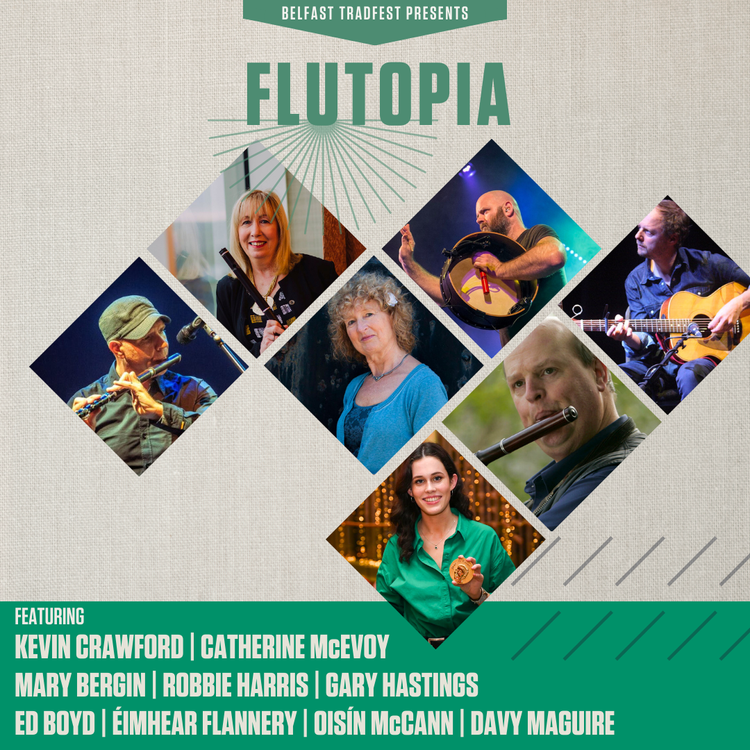
- Flute with Kevin Crawford, Catherine McEvoy, and Gary Hastings
Set dancing classes are available throughout the week. Booking for the summer school can be done through the festival’s website.
Concerts and Album Launches
The festival kicks off on July 21 with an opening concert at the Empire Music Hall, featuring Moya Brennan, Zoë Conway, and John McIntyre. Highlights of the concert schedule include:
- July 22: Flutopia at the Black Box, and performances by Diane Cannon, Mick O’Brien, Derek Hickey, Ryan Molloy, Lorraine Ní Bhriain, and George McAdam.
- July 23: Na Máistrí / Masters Of Traditional Music concert and a tribute concert dedicated to Seán Maguire.
- July 24: A concert at Crescent Arts Centre celebrating the Belfast Harpers Assembly of 1792, and performances by Bow Brothers, Mary Dillon, Dónal O’Connor, and Neil Martin.
- July 25: “With Pipe and Drum” concert at the Titanic Hotel, Lúnasa, and Seamie O’Dowd.
- July 26: Jiggy, and a performance by Tara Breen, Pádraig Rynne, and Jim Murray.
- July 27: Cherish the Ladies.
Additional notable events include a Solo Highland Piping Competition on July 21, album launches by Conor Caldwell and Ryan Molloy, and traditional singer and poet Paddy Tunney on July 27.
Céilís and Session Trail
The festival also features a traditional sessions trail in pubs and venues across Belfast, providing an authentic Irish cultural experience. Céilís include the Titanic Slipway Céilí on July 21 and a Pride Céilí at the Black Box on July 24. Festival club gigs will be hosted at the John Hewitt Bar and The Deer’s Head, ensuring the festivities continue late into the night.
For more information and booking details, visit the official Belfast TradFest website at www.belfasttraditionalmusic.com. Join in celebrating the rich traditions of Irish and Scottish music and dance at this unforgettable festival.
Français