
 Français

Contents
Ornamentation in Irish Traditional Music
Overview of the principal types of ornamentation used in Irish Traditional Music, with sheet music and audio examples, and some suggestions for further study.
Ornamentation in Irish Traditional Music involves the use of various embellishments to accentuate the rhythm and decorate the melody of the tune. The principal ornaments used are the cut, tap, slide, roll, bounce and casadh. Ornaments must be played as rapidly as possible, and must not break the rhythmic flow of the tune. Although ornamentation follows certain conventions, there is also a degree of improvisation involved, with musicians making spontaneous decisions about when and how to use ornaments.
Table of Ornaments


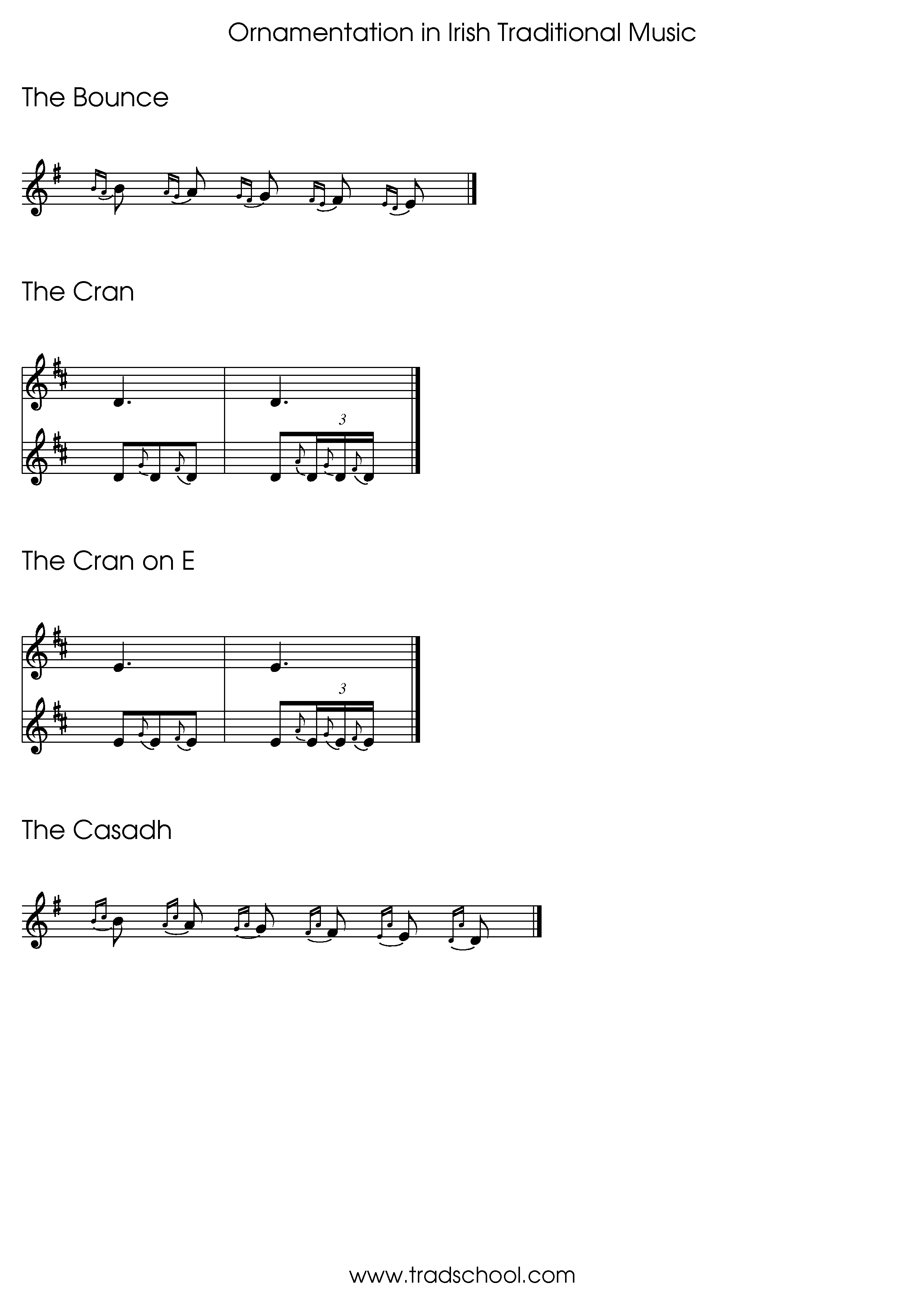
| Ornament | Description |
|---|---|
| Cut | A quick, upper grace note that interrupts the main melody note. |
| Tap | Involves a quick, lower grace note, with a subtler sound than a cut. |
| Slide | Characterized by a smooth, continuous glide from one note to another. |
| Long Roll | A combination of a cut, the main note, and a tap, executed in quick succession. It’s a characteristic ornament in Irish music. |
| Short Roll | A condensed version of the long roll, fitting into a shorter note duration. It omits the first instance of the main note. |
| Triplet | Involves playing three notes in the space of one beat, adding rapid, rhythmic movement to the melody. |
| Bounce | Consists of two grace notes before the main note, the first at the pitch of the main note and the second at a lower pitch. |
| Cran | An ornament from Uilleann Piping, involving a series of grace notes on low D. |
| Casadh | Meaning ‘twisting’ in Irish, similar to the cut. Two extra notes are added, with the first being of the same pitch as the main note to be ornamented. Also similar to the triplet. |
Related resource
A Complete Guide to Playing irish Traditional Music on the Whistle
Tin Whistle tutor book with a detailed discussion of ornamentation and over 300 recordings
Learn moreThe Principal Ornaments in Irish Traditional Music
Here are the most common ornaments used in Irish Traditional Music:
The Cut
Description: The cut is a quick, upper grace note that interrupts the main melody note. It is played sharply and briefly, adding a crisp, percussive element to the tune.

Usage: Used to emphasise notes on the downbeat, or to “cut” two identical notes. Can also be used “in passing” on quavers not on the the downbeat.

The Tap
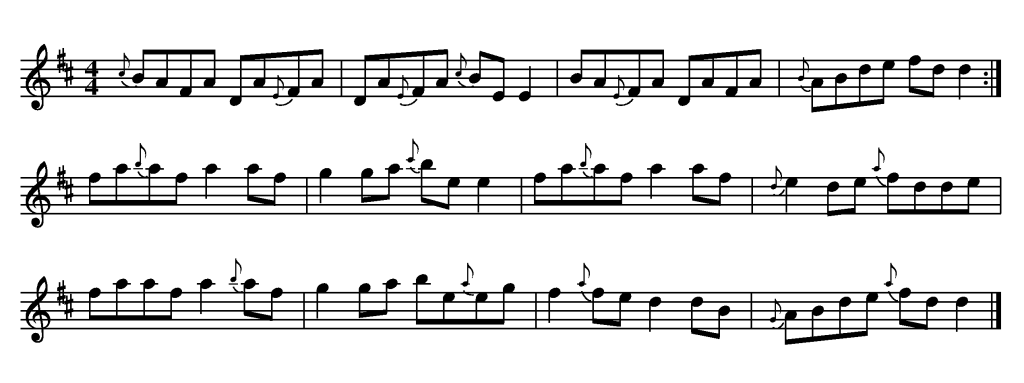
Description: The tap is the lower counterpart to the cut. It involves a quick, lower grace note, with a subtler sound than a cut.

Usage: Used like the cut to emphasise the strong beat. On flute and whistle, can be used between the second and third quavers of the group of three, when these are of the same pitch:
The Slide
Description: Characterized by a smooth, continuous glide from one note to another.
Usage: More melodic than rhythmic, can be used on notes of varying values. usd on flutes, whistles, pipes and fiddle.

The Long Roll
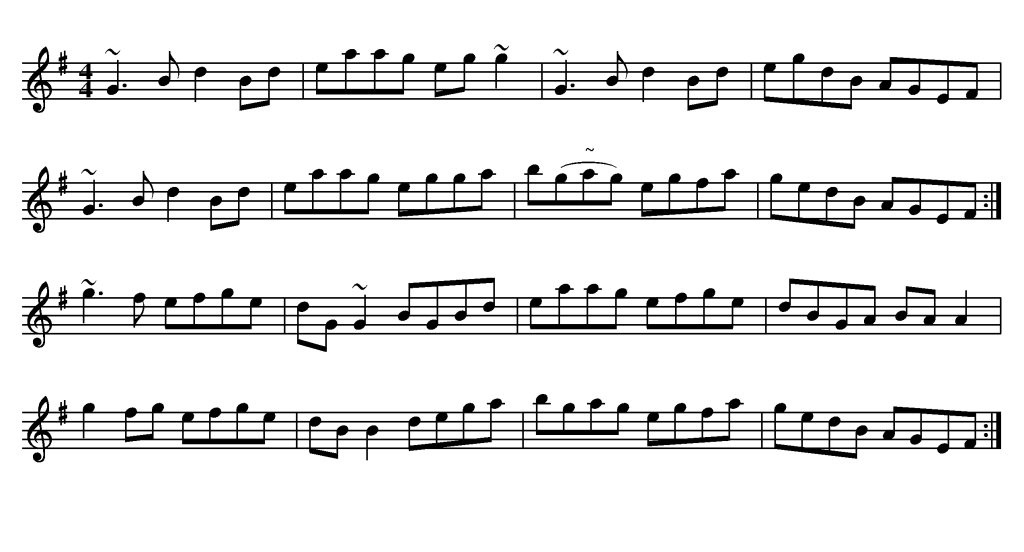
Description: The long roll is a combination of a cut, the main note, and a tap, executed in quick succession. It’s one of the most characteristic ornaments in Irish music.

Usage: The long roll is used in place of a long note (or several notes) to the value of a dotted crotchet. It can begin on the downbeat or in reels on the second quaver of the group of four.
The Short Roll
Description: A condensed version of the long roll, fitting into a shorter note duration. It omits the first instance of the main note.

Usage: The short roll is used in place of a note (or several notes) to the value of a crotchet.

The Triplet
Description: The triplet involves playing three notes in the space of one beat, adding rapid, rhythmic movement to the melody. The notes can be ascending, descending or identical in pitch.

Usage: used to the value of a quaver, on a quaver note or on 2 ascending or descending notes.

The Bounce
Description: The bounce is a percussive 2-note ornament, similar to the tap & casadh. (It is also known as a “strike” or “tap”). It consists of two grace notes before the main note, the first at the pitch of the main note and the second at a lower pitch.

Usage: The bounce is used on quaver movement, on the downbeat or in passing. An ornament suited to flute and whistle.

The Cran
Description: An ornament from Uilleann Piping, that has also passed to flute and whistle, the cran involves a series of grace notes on low D that simulate a roll on the lower notes of the chanter where a roll isn’t possible. It has a distinctive “stuttering” sound.

Usage: Used to the value of a dotted crotchet or crotchet.
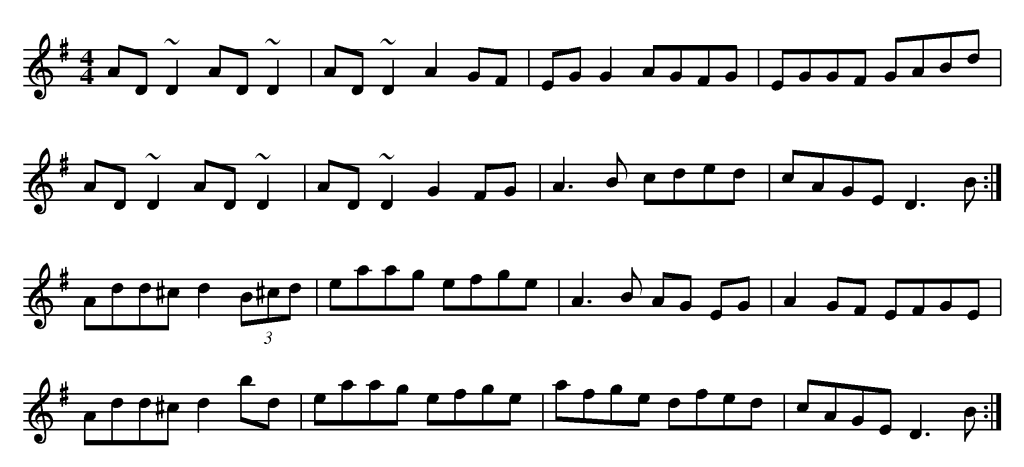
The Casadh
Description: Casadh, meaning ‘twisting’ in Irish, is again similar to the cut. Two extra notes are added, with the first being of the same pitch as the main note to be ornamented. Also similar to the triplet
Usage: Can be used on quavers or crotchets


Book with downloadable audio

Related resource
Tune Types in irish Traditional Music
A complete guide to all the principal types of tunes in Irish music – jigs, reels, hornpipes and more
Learn morePlaying & Learning Ornamentation in Irish Traditional Music
Playing Ornamentation
- Crisp Execution: When playing ornaments, it’s essential to execute them crisply. Each ornament, whether a cut, roll, or cran, should be distinct and clear. This precision ensures that the ornamentation complements the tune rather than overshadowing or muddying it.
- Enhancing the Music: The primary purpose of ornamentation is to enhance the melody and rhythm of the tune. Musicians should use ornaments thoughtfully, considering how they contribute to the overall feel and flow of the music. Ornamentation should never be excessive; instead, it should add depth, texture, and character to the tune.
Learning Ornamentation
Learning ornamentation in Irish traditional music is a two-fold process:
- Technical Execution: The journey begins with mastering the technical execution of each ornament. This involves understanding the mechanics and nuances of how each ornament is played and executing them crisply and rhythmically.
- Placing Ornamentation: Equally important is understanding where and when to use ornaments within a tune. This requires a good grasp of the tune’s structure and rhythm and an understanding of the style and taste.
Advice for Learning Ornamentation
- Progressive Learning Path: It is advisable for beginners to start with simpler ornaments like cuts and taps, and gradually progress to more complex ones like rolls and crans. This progressive approach ensures a solid foundation is built.
- Slow Practice: One of the most effective ways to master ornamentation is to practice slowly, focusing on the clarity and precision of each ornament and ensuring they are executed correctly before increasing the speed.
- Judicious Use and Rhythmic Foundation: A key aspect of learning ornamentation is understanding that less can often be more; overusing ornaments can detract from the tune rather than add to it. It’s crucial to maintain a strong rhythmic foundation, with ornaments serving to enhance this rhythm rather than dominate it.
- Listening and Imitation: Listening to skilled musicians and trying to imitate their style is an effective way to learn ornamentation. It helps in understanding how different ornaments can be used creatively in various tunes.
- Regular Practice: Consistency is crucial in mastering ornamentation. Regular practice helps in developing muscle memory and a natural feel for where and how to use ornaments in tunes.
- Seeking Feedback: For learners, getting feedback from more experienced players or teachers can be invaluable. They can provide insights on ornamentation techniques and suggest improvements.
- Recording and Self-Review: Recording your playing and reviewing it can help in identifying areas that need improvement, especially in terms of the clarity and effectiveness of ornamentation.

The Maid of Mount Kisco – Tin Whistle lesson
Learn the Maid of Mount Kisko, a reel associated with the great Irish fiddler Paddy Killoran. [...]
Jan

The Ladies’ Pantalettes (Reel) – Irish Flute Tune
Reel played on Irish flute, a version I got from the book “The Dance Music [...]
Feb

The Fermoy Lasses (Reel) – video tutorial
The Fermoy Lasses (Reel) played on tin whistle, with video tutorials & sheet music. From [...]
Oct

Tin Whistle Tunes with ornamentation

The Ashplant (Reel) – Video Tutorial
The Ashplant played on tin whistle with video tutorial. This tune features in the book [...]
Oct

Brian O’Lynn (Jig) – Video Tutorial
Brian O’Lynn (Jig) played on tin whistle, with video tutorial. From the book Irish Music [...]
Feb

The Boys of Ballisodare (Reel) – Tin Whistle Tutorial
The Boys of Ballisodare reel played on tin whistle, with video tutorials. From the book [...]
Feb

The Humours of Lissadell – tin whistle tutorial
Video tutorial for the Humours of Lissadell reel on tin whistle; the tune is played [...]
Sep
Functions and Use of Ornamentation
- Rhythmic Function: The primary role of ornaments is to enhance the rhythmic drive of the tune. They serve to accentuate the beat and give life to the rhythm.
- Melodic Embellishment: Ornaments also play a key role in embellishing the melody, adding depth and texture to the tune.
- Individual Interpretation and Improvisation: While there is some degree of codification, especially in ornaments like rolls and short rolls, their placement and execution largely depend on the individual musician. This aspect underscores the improvisational nature of Irish traditional music.
Ornamentation and Style
An important part of a performer’s style is concerned with his use of ornamentation. Some employ hardly any, others use ornaments which are completely pre-planned and lack spontaneity, while the very best players are able to ornament at will, giving an imaginitive and spontaneous performance.
Tomas O’Canainn
- Varying Degrees of Use: Every musician employs ornamentation, but the extent and style vary. Some use it sparingly, while others use it extensively. A tune played without any ornamentation whatsoever will not sound “right” in the context of the traditional style.
- Fluid and Highly Ornamented Styles: For instance, Matt Molloy’s flute playing in the Sligo style is known for its fluidity and abundant use of ornamentation.
- Less Ornamented Styles: In contrast, the East Galway style of flute playing, as exemplified by Mike Rafferty, employs relatively less ornamentation, focusing more on the melodic and rhythmic flow.
further Information
- A Complete Guide to Playing Irish Traditional Music on the Whistle: Tin whistle tutor book that covers ornamentation in detail. Available here
- The Parameters of Style in Irish Traditional Music by Niall Keegan: academic article with some emphasis on ornamentation. Available on the Irish World Academy site here
hi there
are these used in vocal work too?
thanks
they must be the same
Yes, just listen to any Trad song, it will be full of ornamentation. Singers like other instrumentalists have a free reign for when they want to use an ornamentation. It’s best used sparingly so not to over cook the song.
Pingback: Irish Folk Tunes – Music 2: Moving on with Composition