
 Français
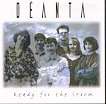
 Déanta were an ITM group from Antrim in Northern Ireland, with wooden flute, fiddle, whistle, vocals and accompaniment on guitar, keyboard and harp. Their music is in the Northern style, wioth evident Scottish influences (the song “Culloden’s Harvest, or the highland “King George IV”) The recorded 3 albums, Déanta, Ready for the Storm and Whisper of a Secret, traditional Irish music in contemporary arrangements.
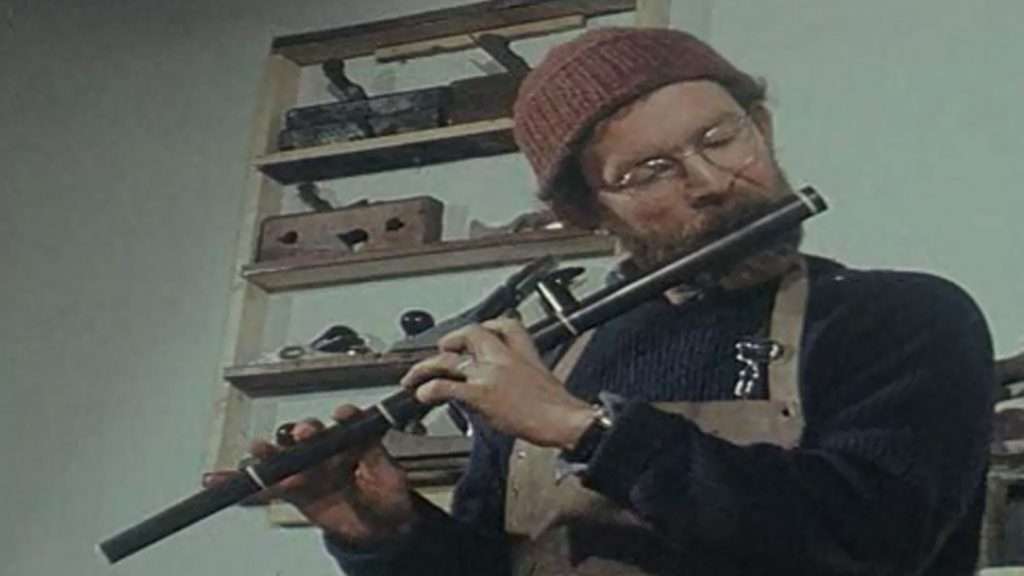


 The group Boys of the Lough was formed in 1967, and is still making music today. Their first album, Boys of the Lough, was released in 1972 with